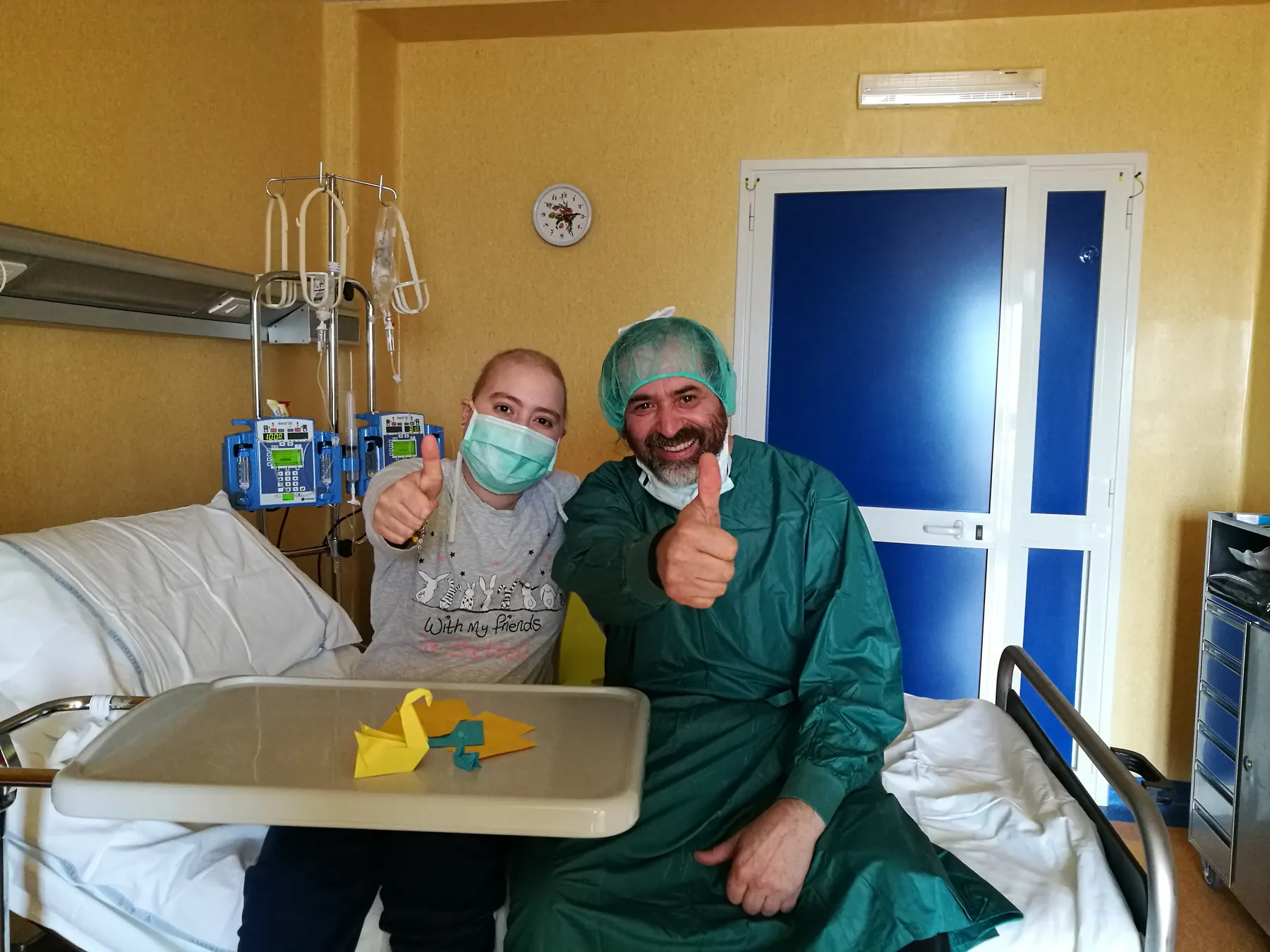
Hospital volunteering
Volunteers work with the child through short breathing, posture, and focus exercises inside a safe, disciplined framework adapted to medical reality.

Kids Kicking Cancer with BudoBucharest, RomaniaThe Bucharest chapter of the Kids Kicking Cancer movement
Kids Kicking Cancer with BudoBucharest, Romania
The Bucharest chapter works with children in treatment through breathing, posture, and focus exercises inspired by Budo, adapted to medical settings and supported by trained volunteers.
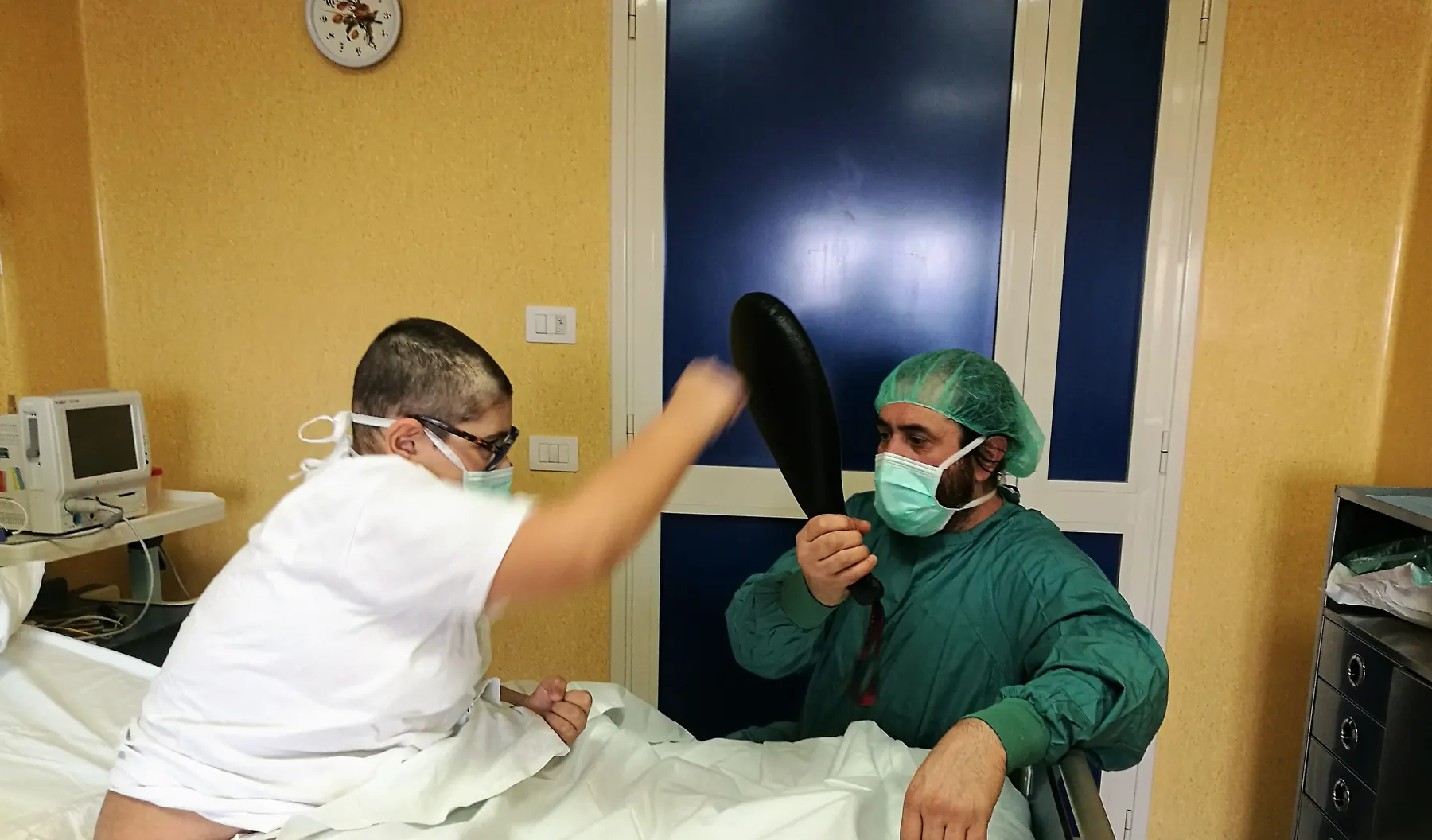
The program combines bedside work, volunteer preparation, applied research, and the fundraising needed to keep the work going.

volunteering, research, fundraising
Romanian and English
support for children and their families
The Association's mission
The Association's mission is to support children with cancer and children with other chronic illnesses, as well as their families, by promoting martial arts techniques and philosophy integrated with modern medicine. The Association provides non-clinical physical and psychological support, organizes educational and charitable activities, develops a solidarity network, and mobilizes resources through fundraising and public and private partnerships.
Kids Kicking Cancer with Budo is a non-governmental nonprofit association. It is neither a healthcare facility nor a healthcare provider, and it does not provide medical services. Its Budo activities are non-clinical: they do not include diagnosis, medical treatment, or psychotherapy, and do not replace care provided by qualified healthcare professionals.
Local identity
The Bucharest chapter is part of the international Kids Kicking Cancer movement and works to bring the Budo method into hospitals together with volunteers, families, and institutional partners.
Operating chapter based in Bucharest, Sector 3
Authorized in 2025
Part of the broader Kids Kicking Cancer legacy
What we do
The work begins at the bedside and grows through research and support from the community.
Volunteers work with the child through short breathing, posture, and focus exercises inside a safe, disciplined framework adapted to medical reality.
We are looking for pilot studies and partnerships with hospitals and universities that can evaluate perceived pain, procedural stress, and the feasibility of the method.
Funding supports bedside sessions, volunteer training, responsible documentation, and preparation for research projects.
How it works
Children learn short exercises they can use before a procedure, during it, or afterward.
Breathing gives rhythm and helps a child recover attention in a difficult moment.
Posture, gaze, and voice help the child move from passivity toward participation.
When volunteers, families, and the clinical team use the same cues, the method becomes recognizable and repeatable.

Useful references
We include them because they offer clear examples of programs, resources, and credible public communication.
mymatio.org
Shows how the method can be explained to families and how research resources can be gathered in one place.
Open sourcechildrenwithcancer.org.uk
Shows how research, family support, and fundraising can be presented without losing clarity.
Open sourceworldchildcancer.org
Shows how an NGO can speak clearly about partnerships, public policy, and long-term change.
Open sourceProgram archive
The photographs show bedside work, training moments, and direct links to the wider international Kids Kicking Cancer community.


From the work
Here we explain how we work, what partnerships we are seeking, and what community support can make possible.
April 21, 2026
What a Budo-based bedside intervention can look like in hospital and why continuity matters more than spectacle.

April 17, 2026
Why the Bucharest chapter needs pilot projects, academic partners, and grants that turn bedside practice into public evidence.

April 12, 2026
Donations need to be tied clearly to outcomes, processes, and credible stories instead of vague emotional pressure.
Get involved
The Bucharest chapter is looking for volunteers, partners, and supporters who can sustain bedside work and help prepare research and development projects.