The child’s experience
We aim to understand how children experience fear, stress, discomfort, confidence and a sense of control in relation to Budo activities.
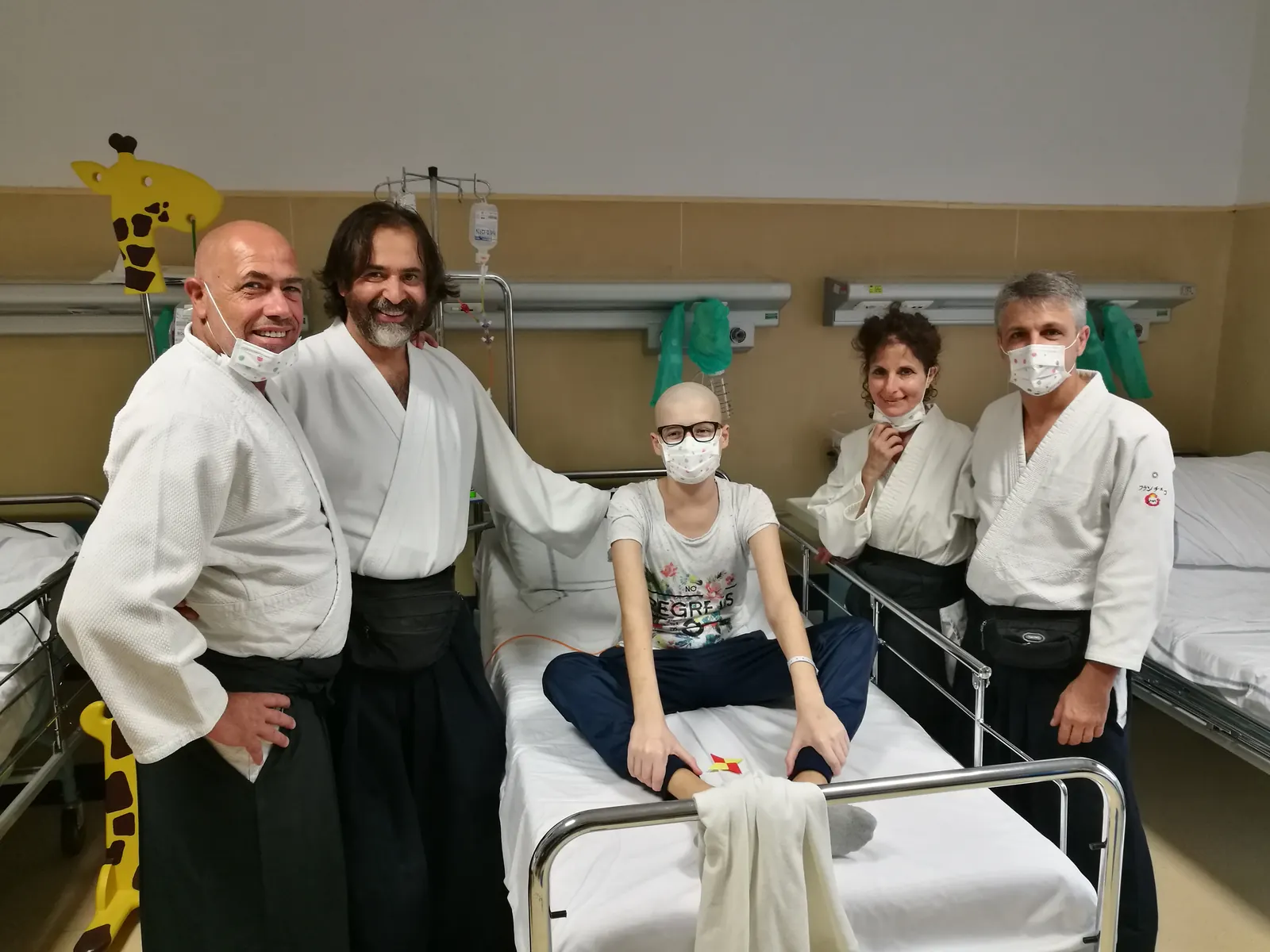
 Kids Kicking Cancer with BudoBucharest, Romania
Program development
We develop and evaluate programs through evidence-informed practice and ethical research with appropriately qualified partners.
Evaluation agenda
The agenda focuses on the experiences of children and families, the feasibility of the activities, and the learning needed to improve the program continuously.
We aim to understand how children experience fear, stress, discomfort, confidence and a sense of control in relation to Budo activities.
We evaluate feasibility, acceptability and the adaptation of activities to age, setting and children’s different needs.
We use qualitative feedback and quantitative data to improve programs and responsibly share relevant findings, methods and practical knowledge.
Context and resources
These public resources provide context on support programs, research and communication. Their inclusion does not imply a partnership or endorsement.
An example of an organization that keeps the method, family resources, and research material together.
Open referenceAn example of clear language about international partnerships and system-level change.
Open referenceA Romanian example of direct communication about pediatric projects, needs, and the use of funds.
Open referenceCollaborations
For collaborations with hospitals, universities and research teams, pilot studies or project proposals, contact our technical team.
Email [email protected]