
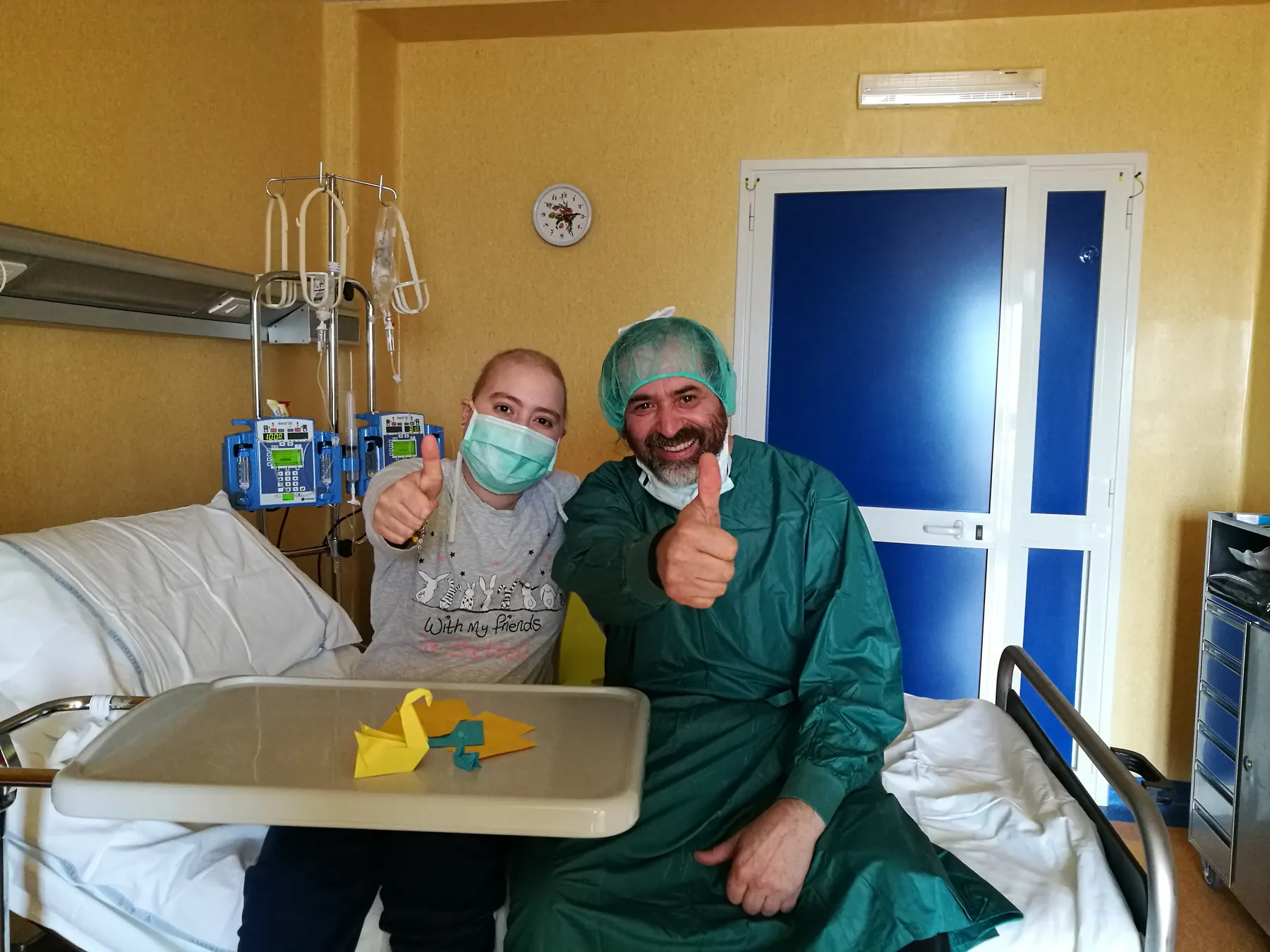
At first glance, someone might assume the program is only an encouraging visit or a symbolic demonstration. In practice, an appropriate bedside intervention depends on rhythm, discipline, and adaptation to medical reality.
What a well-prepared volunteer brings
- a calm, recognizable relationship
- short breath and focus exercises
- simple physical cues that provide clear points of orientation during the session
- a coherent language between child, family, and the surrounding team
The volunteer does not enter the hospital to replace a physician or psychologist. They contribute a calm presence, short exercises, and a recognizable framework that can support the child during treatment.
Why continuity matters
Children recognize a method more easily when they encounter it repeatedly in a consistent setting adapted to medical reality. Continuity helps families, volunteers, and the surrounding team use the same language of breath, attention, and encouragement.
What responsible practice requires
- respect for medical guidance and for the limits of each clinical setting
- exercises adapted to the child's age, condition, and energy
- careful collaboration with the family and clinical staff
The goal is not to dramatize hospital life. The goal is to make room for courage in a setting where the child often has very little control.